Yerba Mate vs Green Tea for Weight Loss
Educational information only — not medical advice, and not a substitute for a licensed clinician who knows your history. Always consult your healthcare provider before starting any supplement or program. See our Medical Disclaimer.
Disclosure: This article contains affiliate links. If you buy through them, we may earn a commission at no extra cost to you. As an Amazon Associate, we earn from qualifying purchases. A commission never changes our reporting. See our full Affiliate Disclosure.

Metabolism-boosting gummies with green tea extract and apple cider vinegar.
Check Price on AmazonThe bottom line: Neither yerba mate nor green tea is a reliable way to lose weight. The strongest evidence, a Cochrane review of green tea, found only a small, non-significant weight change unlikely to matter clinically; yerba mate has even less human evidence. Both are low-calorie, caffeinated drinks best treated as minor support to diet and activity.
Here is the green tea product referenced in this comparison — prices and availability change, so check the latest details on Amazon.
Twinings Green Tea
Best for: People who want a simple, caffeinated bagged green tea for daily brewing
Bagged loose-leaf green tea • caffeinated • brewed hot or iced • naturally low in calories when unsweetened
A caffeinated green tea you can brew as part of your usual beverage routine.
Did you know that your everyday brew could spark a metabolic revolution? When comparing yerba mate vs green tea for weight loss, you discover distinct pathways to enhanced energy and efficient fat oxidation. This article delves into how each infusion uniquely supports your body’s caloric burn and appetite regulation.
By examining their origins, preparation methods, and scientifically measured benefits, you’ll understand which energizing beverage aligns best with your weight loss goals. Prepare to challenge common perceptions and unlock a targeted nutritional strategy for improved body composition.
Nutritional Profiles and Metabolic Impacts of Yerba Mate vs Green Tea for Weight Loss
Nutrition plays an essential role in weight loss, as the right macronutrients and micronutrients help regulate metabolism and support cellular processes that burn stored fat. When energy input is obtained from nutrient-rich sources, your body is better equipped to tap into fat stores, reduce inflammation, and maintain balanced energy levels.
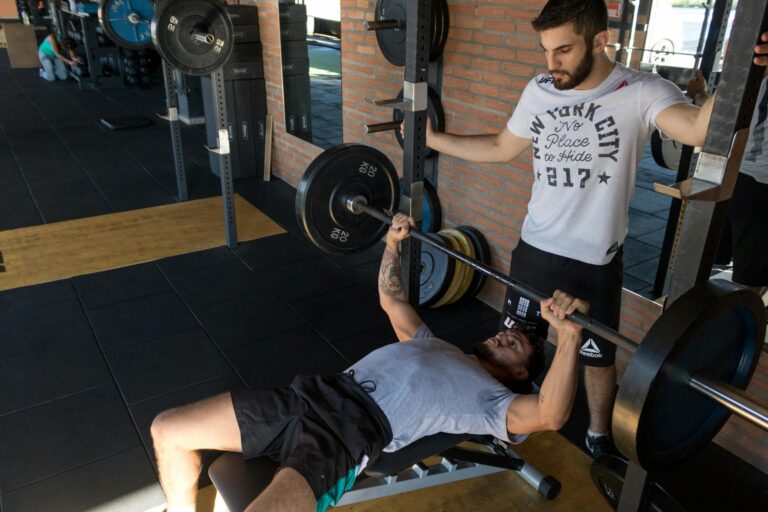
Both yerba mate and green tea offer distinct metabolic boosts due to their unique profiles of antioxidants and caffeine. In clinical trials, consuming yerba mate before exercise increased fat oxidation by up to 24% while also contributing to improved body composition over a 12-week study.
Green tea is a low-calorie, caffeinated drink. A 2023 network meta-analysis of 111 randomized trials linked it to only about a 1.25 kg average weight reduction, with the certainty of that evidence rated low, alongside modest changes in total and LDL cholesterol levels. This differential impact illustrates how each drink modulates energy expenditure and nutrient utilization in its own way.
| Beverage | Caffeine Content | Fat Oxidation Effect |
|---|---|---|
| Yerba Mate | Moderate-to-high | Limited human weight-loss evidence |
| Green Tea | Moderate | Small average weight change (~1.25 kg, low certainty) |
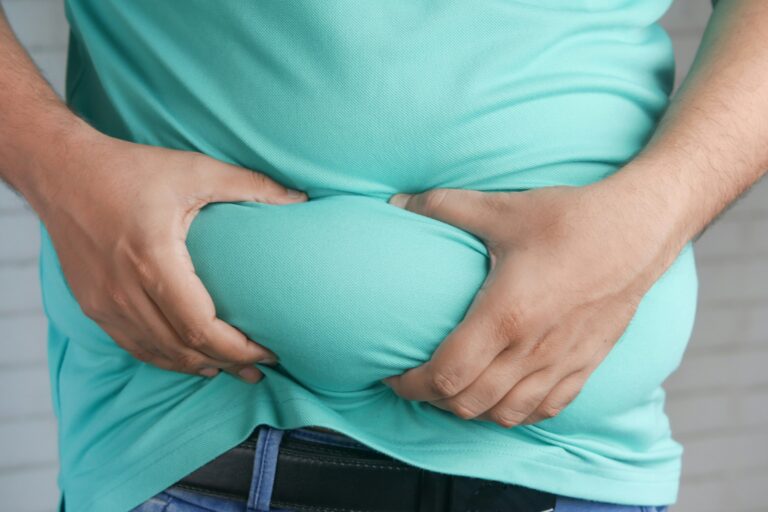
Both are simply low-calorie, caffeinated drinks. There is no reliable evidence that either tea selectively burns fat or removes belly fat. The most consistent way to reduce visceral fat is overall lifestyle, especially regular aerobic exercise, with an unsweetened tea standing in for sugary drinks as a minor supporting choice.
Scientific Evidence Supporting Yerba Mate vs Green Tea for Weight Loss

Human weight-loss evidence for these teas is limited and modest. A Cochrane review of green tea found only a small, non-significant weight change the authors said is not likely to be clinically important, and a 2023 network meta-analysis of 111 trials linked green tea to only about 1.25 kg average weight reduction at low certainty. Yerba mate has even less human weight-loss trial evidence.
- Human weight-loss trial evidence for yerba mate is limited; it is best regarded as a low-calorie, caffeinated drink rather than a fat burner.
- Swapping a sugary drink for an unsweetened tea can cut liquid calories, a small supporting move within an overall diet and activity pattern.
- A large-scale study tracking over 40,000 individuals for 11 years found that green tea intake reduces overall mortality risk, heart disease, and stroke.
- Meta-analyses reveal that green tea effectively lowers LDL and total cholesterol levels by measurable amounts.
- Both teas contain antioxidant plant compounds, but there is no reliable evidence this translates into meaningful fat loss.
Overall, these teas are minor supporting choices, not weight-loss treatments. A systematic review in the American Journal of Clinical Nutrition found no evidence beyond a reasonable doubt that any specific dietary supplement is effective for reducing body weight, and the FTC has acted against deceptive weight-loss marketers. The real work is done by diet, activity, and sleep.
Unimate: a concentrated yerba mate drink
If you’re choosing yerba mate over green tea, Unimate is a concentrated, sugar-free yerba mate drink. These statements have not been evaluated by the Food and Drug Administration. This product is not intended to diagnose, treat, cure, or prevent any disease, and it is not a weight-loss treatment. Individual results vary.
Unimate is a sugar-free yerba mate drink that some people use as a caffeinated, low-calorie alternative to coffee or sweetened beverages. It fits keto, low-carb, or fasting routines. It is not a substitute for a balanced diet, physical activity, or medical care. Talk to your physician or pharmacist before adding any supplement, especially if you take medication or are caffeine-sensitive.
Unimate is simply a concentrated yerba mate drink. It is not a weight-loss product, and no result is guaranteed.
Final Words
In this post, you explored the differences, benefits, and practical applications of both infusions, delving into their origins, nutritional profiles, and scientific evidence. You examined how each beverage may boost metabolism and fat oxidation while weighing pros and cons that guide timing and usage.
Your insights empower you to determine which approach best fits your lifestyle. Embrace the journey with clear strategies based on yerba mate vs green tea for weight loss—transforming daily routines into effective practices for sustained metabolic balance.
FAQ
Which drink has more caffeine – yerba mate or green tea?
A: Yerba mate is generally more caffeinated than green tea, though the exact amount depends on the leaf, how long you steep it, and serving size. Neither drink’s caffeine level translates into a reliable weight-loss effect.
Can yerba mate make me lose weight?
A: On its own, not reliably. Human weight-loss evidence for yerba mate is limited. Treat it as a low-calorie, caffeinated drink that can support, but not replace, a healthy diet and regular activity.
Does green tea actually burn belly fat?
A: Green tea is not a belly-fat treatment. A Cochrane review found only a small, non-significant weight change, and there is no reliable evidence that drinking it selectively removes visceral fat.
Can these drinks help reduce belly fat?
A: There is no reliable evidence that either tea selectively reduces belly or visceral fat. Visceral fat responds mainly to overall diet and exercise, especially regular aerobic activity, not to a specific beverage.
How do the antioxidant levels compare?
A: Both teas contain antioxidant plant compounds, including chlorogenic acid in yerba mate. There is no reliable evidence that these antioxidant levels translate into meaningful weight loss.
What’s the recommended daily intake for weight loss?
A: There is no established weight-loss dose. If you enjoy either tea, drink it unsweetened in place of sugary drinks, and talk to your clinician about caffeine intake if you are sensitive, pregnant, or taking medication.
How do these drinks affect metabolism?
A: Any thermogenic effect of caffeine in these teas is small and does not reliably produce weight loss. Diet, activity, and sleep do the real work.
Supplement disclaimer: These statements have not been evaluated by the Food and Drug Administration. These products are not intended to diagnose, treat, cure, or prevent any disease. Dietary supplements are regulated as food, not drugs; the FDA does not approve them for safety or effectiveness before sale. Individual results vary, and no result is guaranteed. Talk to your physician or pharmacist before taking any supplement. See our Supplement Disclaimer.
Frequently Asked Questions
Which has more caffeine, yerba mate or green tea?
Yerba mate is generally more caffeinated than green tea, though the exact amount depends on the leaf, how long you steep it, and serving size. Neither drink’s caffeine level translates into a reliable weight-loss effect.
Can drinking green tea or yerba mate make me lose weight?
On their own, not reliably. The best evidence (a Cochrane review of green tea) shows only a small, non-significant weight change. Treat either tea as a low-calorie drink that can support, but not replace, a healthy diet and regular activity.
Do these teas reduce belly fat or visceral fat?
There is no reliable evidence that either tea selectively reduces belly or visceral fat. Visceral fat responds mainly to overall diet and exercise, especially regular aerobic activity, not to a specific beverage.
Is yerba mate safe to drink every day?
For most healthy adults, moderate tea or yerba mate intake is generally well tolerated, but caffeine sensitivity, pregnancy, medications, and existing conditions all matter. Talk to your own licensed clinician before making it a daily habit, especially if you take medication or are caffeine-sensitive.
Are weight-loss “fat burner” teas backed by science?
Generally no. A major review found no convincing evidence that over-the-counter weight-loss supplements work, and the FTC has acted against deceptive weight-loss marketers. Be wary of any product promising fast, effortless, or guaranteed fat loss.
So what’s the practical takeaway, yerba mate or green tea?
Pick the one you enjoy unsweetened, and drink it instead of sugary beverages. Choose green tea if you want the better-studied option and milder caffeine; choose yerba mate if you prefer a stronger, more coffee-like lift. Neither is a weight-loss treatment.
Last updated June 22, 2026. Reviewed against the cited evidence: Jurgens et al., Green tea for weight loss in overweight or obese adults, Cochrane Database of Systematic Reviews 2012 (PMID 23235664); Pittler & Ernst, Dietary supplements for body-weight reduction: a systematic review, American Journal of Clinical Nutrition 2004 (PMID 15051594); and Vissers et al., aerobic vs. resistance exercise on visceral fat, Obesity Reviews 2011 (PMID 21951360).
Related Reading
- Yerba Mate for Appetite Suppression
- Yerba Mate for Water Weight and Bloating
- Caffeine in Yerba Mate vs Detox Teas
- Best Yerba Mate Tea for Weight Loss
Recommended Products
Hand-picked to support your health goals
 Integrative Therapeutics Cortisol Manager
Clinically studied stress hormone stabilizer for better sleep and lower cortisol.
Check Price on Amazon Nordic Naturals Ultimate Omega
High-potency omega-3 fish oil for heart health and reduced inflammation.
Check Price on AmazonAs an Amazon Associate, we earn from qualifying purchases.