Menopause Belly Fat: Why It Happens & Fixes
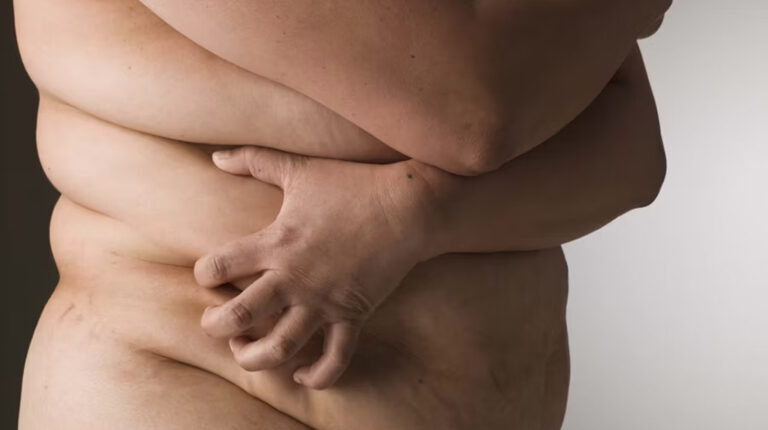
If you have noticed your waistline expanding even though your eating and exercise habits have not changed, you are not imagining things. During perimenopause and menopause, shifting hormones trigger a profound change in how and where your body stores fat. The declining levels of estrogen instruct your body to stop storing fat around the hips and thighs, and instead start packing it deep within the abdomen.
This menopause belly fat is a stubborn, frustrating reality for millions of women. However, understanding the science behind this transformation is the first step toward managing it. Gaining belly fat during this life stage is not a moral failure or a lack of willpower; it is a deeply rooted physiological response to changing endocrinology. By adapting how you eat, move, and recover, you can effectively support your changing metabolism.
Why Does Belly Fat Increase During Menopause?
To understand why your jeans suddenly feel tighter around the middle, you have to look at the role of estrogen. During your reproductive years, estrogen is a metabolic powerhouse. It promotes subcutaneous fat storage, which is the harmless fat stored just beneath the skin, typically around the hips, thighs, and buttocks. This distribution is biologically designed to support fertility and childbirth.

Clinically studied stress hormone stabilizer for better sleep and lower cortisol.
Check Price on AmazonHowever, as you transition into perimenopause and eventually reach menopause, your ovaries dramatically reduce their production of estrogen. This hormonal decline flips a metabolic switch. Your body begins to lose its primary mechanism for storing fat in the lower body. Instead of utilizing subcutaneous stores, your body starts converting excess calories into visceral fat, which is active fat stored deep inside the abdominal cavity around your internal organs.
This shift in fat distribution from the hips to the abdomen is purely physiological. While changes in thyroid hormones, cortisol levels, and lifestyle factors can play a minor contextual role, the primary driver of this specific body composition change is the loss of estrogen’s directive. Your body is simply following new hormonal instructions.
How Does Declining Estrogen Affect Your Metabolism and Muscle?
The metabolic slowdown associated with menopause is not just about estrogen changing where fat is stored; it is also about how much fat and muscle your body burns. Estrogen plays a crucial role in maintaining muscle mass and regulating energy expenditure. When estrogen levels drop, your body naturally begins to lose muscle tissue, a condition often referred to as age-related sarcopenia.
Muscle tissue is metabolically active, meaning it burns calories even when you are resting. When you lose muscle mass due to the combination of aging and reduced estrogen, your resting metabolic rate drops. You are simply burning fewer calories around the clock than you used to. Furthermore, estrogen normally helps protect your muscles from oxidative stress and aids in muscle repair. Without it, muscle breakdown accelerates, making it significantly harder to maintain the lean body mass you had in your twenties and thirties.
What Is the Impact of Menopause on Insulin Sensitivity?
One of the most significant, yet rarely discussed, metabolic changes during menopause is the decline in insulin sensitivity. Estrogen normally helps your cells efficiently absorb glucose from your bloodstream to use for energy. When estrogen levels fall, your cells become less responsive to insulin. As a result, your pancreas has to pump out more insulin to get the job done.
Elevated insulin levels signal your body to store fat, and due to the absence of estrogen’s protective effects, that fat is directed straight to the abdomen. This is why many women suddenly find that carbohydrates they used to tolerate perfectly well now seem to cause immediate bloating and weight gain around their midsection. The combination of insulin resistance and declining estrogen creates a perfect storm for storing stubborn visceral fat. Managing this blood sugar response becomes absolutely essential for women navigating midlife.
What Are the Best Dietary Strategies for a Menopause Belly?
To counteract the metabolic and insulin changes of menopause, your diet needs to shift from how you may have eaten in your younger years. The focus must move toward preserving muscle, stabilizing blood sugar, and reducing inflammation. Here are the most effective, science-backed nutritional strategies:
- Prioritize Protein Intake: Because you are naturally losing muscle mass, you need more dietary protein to stimulate muscle protein synthesis. General guidelines suggest women aim for 1.2 to 1.6 grams of protein per kilogram of body weight daily. For a 150-pound (68 kg) woman, this equates to roughly 82 to 109 grams of protein every day, spread evenly across meals.
- Adopt a Mediterranean-Style Diet: To manage insulin sensitivity, focus on a dietary pattern rich in fiber, lean proteins, and healthy fats. A Mediterranean-style approach emphasizes vegetables, legumes, nuts, seeds, and olive oil. This eating style naturally lowers the glycemic load of your meals, preventing the insulin spikes that direct fat to your midsection.
- Reduce Refined Carbohydrates: Since your body is now prone to insulin resistance, highly processed flours and added sugars are more likely to be stored as visceral fat. Swap white breads and pastries for complex carbohydrates like sweet potatoes, oats, and quinoa.
How Can Exercise Protect Your Changing Body Composition?
Cardiovascular exercise is wonderful for heart health, but it is not the primary tool for fighting a menopause belly. Because your body is actively losing muscle—and muscle dictates your metabolic rate—resistance training is non-negotiable. Lifting weights helps you build new muscle tissue, which in turn raises your resting metabolic rate, allowing you to burn more calories even while sitting at a desk.
Furthermore, resistance training directly combats insulin resistance. When you perform demanding muscular contractions, your muscles pull glucose from your bloodstream without the need for high levels of insulin. To see these benefits, aim for strength training sessions two to three times per week, focusing on compound movements like squats, deadlifts, and chest presses that engage multiple large muscle groups at once.
| Menopause Mechanism | Targeted Strategy | Expected Effect |
|---|---|---|
| Estrogen decline causing muscle loss | Resistance training (2-3 times/week) and 1.2-1.6g/kg protein intake | Preserves lean muscle mass and elevates resting metabolic rate |
| Decreased insulin sensitivity | Mediterranean diet with low refined carbs and high fiber | Stabilizes blood sugar and prevents rapid fat storage |
| Redistribution of fat to the abdomen | Consistent caloric management and increased non-exercise movement | Gradually reduces overall body fat percentage, including visceral stores |
| Disrupted sleep architecture | Sleep hygiene optimization (7-9 hours nightly) | Supports overnight muscle recovery and hormonal regulation |
Why Does Sleep Play a Critical Role in Midlife Fat Storage?
You might wonder what sleep has to do with your midsection. Estrogen has a profound effect on sleep architecture. It helps regulate body temperature and promotes the deeper, restorative stages of sleep. As estrogen declines, many women experience night sweats, insomnia, and fragmented sleep. This lack of quality sleep directly impacts your metabolism and your ability to lose belly fat.
When you are sleep-deprived, your body’s insulin sensitivity drops significantly the very next day. Poor sleep also dysregulates your hunger hormones, increasing ghrelin (the hormone that makes you hungry) and decreasing leptin (the hormone that signals fullness). Prioritizing 7 to 9 hours of uninterrupted sleep is essential. Create a cool sleeping environment, limit screen time before bed, and consider discussing sleep disruptions with a healthcare provider to ensure your weight loss efforts are not being sabotaged by exhaustion.
What Role Does Hormone Replacement Therapy (HRT) Play?
When discussing menopause belly fat, the topic of Hormone Replacement Therapy (HRT) frequently arises. Research shows that HRT can have varying effects on a woman’s body composition. For some women, utilizing HRT to manage menopausal symptoms can positively influence fat distribution, helping to prevent the shift from subcutaneous to visceral fat. It may also help support a healthier metabolic rate by mitigating severe estrogen decline.
It is crucial to understand that HRT is not a weight-loss drug, nor is it a guaranteed solution to eliminate belly fat. The decision to use HRT is a highly personal medical choice that should be thoroughly discussed with your healthcare provider to weigh your individual risks, family history, and symptom severity.
No article or website can tell you whether HRT is right for you. Some women find it incredibly helpful for symptom management and metabolic support, while others may not be candidates due to specific medical histories. Always consult a doctor for a proper diagnosis and to discuss whether HRT fits into your broader health and wellness strategy.
What Is a Realistic Timeline for Seeing Results?
Because midlife weight gain is rooted in physiological changes rather than a sudden lapse in willpower, losing a menopause belly requires immense patience. If you are starting a new nutrition and resistance training protocol, it is vital to set realistic expectations. Women often give up because they expect the scale to drop rapidly, but muscle preservation and fat loss operate on different timelines.
Generally, it takes about 4 to 6 weeks of consistent protein intake and strength training to notice a difference in how your clothes fit, as you may be losing visceral fat while simultaneously building metabolically active muscle. Visible changes on the scale or in the mirror typically take 8 to 12 weeks. The goal during menopause is not rapid weight loss, which can further strip away precious muscle tissue, but rather a slow, steady re-composition of your body. Focus on consistency, not perfection, and give your changing body the time it needs to adapt to your new habits.
Frequently Asked Questions
Is gaining belly fat during menopause inevitable?
No, it is not inevitable, but it is highly common. Understanding that estrogen decline causes fat to redistribute to the abdomen allows you to take proactive steps. By adjusting your macronutrients, prioritizing protein, and engaging in resistance training, you can effectively manage your body composition during midlife.
Why does my belly fat feel different now than it used to?
During your reproductive years, fat was largely stored subcutaneously (just under the skin) around the hips and thighs. During menopause, declining estrogen causes fat to be stored as visceral fat deep inside the abdomen, surrounding your organs. This makes the belly feel firmer and protrudes outward, fundamentally changing your body’s shape.
Can I target belly fat with specific abdominal exercises?
No, spot reduction is a myth. Doing hundreds of crunches will strengthen the abdominal muscles underneath the fat, but it will not burn the visceral fat covering them. Fat loss occurs systemically across the entire body. The most effective way to lose a menopause belly is through full-body resistance training and dietary changes that lower insulin levels.
Will intermittent fasting help with menopause belly fat?
Intermittent fasting can be an effective tool for some women because it naturally limits the eating window, which can help lower daily insulin levels and create a caloric deficit. However, it is not a magic cure. If you try fasting, it is crucial to ensure you still consume enough total protein (1.2 to 1.6 g per kg of body weight) during your eating window to prevent further muscle loss.
Is midlife weight gain just a lack of willpower?
Absolutely not. This is perhaps the most important takeaway: menopause belly fat is an issue of endocrinology, not a moral failure or a lack of willpower. Your body is undergoing a massive hormonal shift that alters gene expression, fat storage, and metabolic rate. Recognizing this biological reality is essential for treating yourself with grace and adopting sustainable, healthy habits.
How do I know if my belly fat is dangerous to my health?
While some abdominal fat is normal, excess visceral fat is linked to an increased risk of cardiovascular disease and type 2 diabetes. If your waist circumference is growing, or if you are experiencing sudden, rapid weight gain, it is highly recommended to consult a healthcare provider. They can assess your metabolic markers and provide a personalized diagnosis and health strategy.
Sources
Related Reading
- Hormones and Belly Fat: The Complete Guide
- Does Cortisol Cause Belly Fat? The Science
- Insulin Resistance and Belly Fat Explained
- Stress Belly: What It Is and How to Fix It
Recommended Products
Hand-picked to support your health goals
 NaturaLife Labs Ashwagandha
Organic ashwagandha root with black pepper for stress and hormone balance.
Check Price on Amazon Thorne Berberine
Supports healthy blood sugar levels and metabolic function.
Check Price on AmazonAs an Amazon Associate, we earn from qualifying purchases.