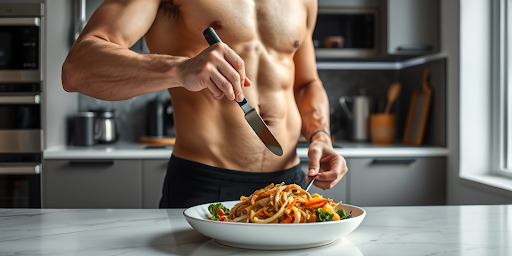
High-Protein Diets and Belly Fat: What to Know
Educational information only — not medical advice, and not a substitute for a licensed clinician who knows your history. Always consult your healthcare provider before changing your diet, supplements, exercise, or treatment. See our Medical Disclaimer.
The bottom line: There is no protein target that selectively burns belly fat. In calorie-controlled diets, higher-protein eating (about 1.2-1.6 g/kg/day) modestly increases fullness and helps preserve muscle, which can support fat loss. Results are modest and depend on adherence; overall diet, exercise, and sleep do the real work.

Daily fiber supplement for digestive regularity and gut health.
Check Price on AmazonDo you ever wonder if adjusting your protein intake could be the secret to targeting stubborn belly fat? High-protein diets trigger mechanisms that boost metabolism, enhance satiety, and support muscle preservation. This article unveils the scientific rationale behind protein’s role in fat reduction, revealing how nutrient timing and metabolic support can transform your approach to weight management. Prepare to explore evidence-based insights that challenge conventional wisdom and empower you to harness nutrition for optimal body rhythm and energy balance.
High-Protein Diets and Belly Fat: Effective Strategies for Fat Reduction
Higher-protein eating cannot target one body area, but it may support overall fat loss within a calorie-controlled diet. Research reviewed in the American Journal of Clinical Nutrition (PMID 25926512) reports that higher-protein diets modestly increase fullness and help preserve muscle, which can support greater fat-mass loss than lower-protein diets. The effect is modest and depends heavily on overall calorie intake and adherence.
To implement these benefits effectively, follow these step-by-step strategies:
- Increase your protein ratio by aiming for approximately 30% of your daily caloric intake from protein sources.
- Plan balanced meals that incorporate lean protein at every opportunity, ensuring a steady release of energy.
- Time nutrient intake to optimize satiety; consider consuming protein-rich foods at the beginning of your day and after workouts.
- Monitor your overall calorie deficit, leveraging protein’s thermic effect to support your fat-loss objectives.
Integrate these strategies into a sustainable eating plan by consistently scheduling protein-rich meals and snacks throughout your day. Focus on both animal and plant-based proteins to ensure diverse amino acid profiles and essential nutrients. Adjust your meal planning as needed, paying close attention to hunger signals and energy levels. By committing to a systematic approach and regularly reviewing your progress, protein can be one supportive part of an overall calorie-controlled eating and activity plan that, over time, may help with fat loss and body composition.
High-Protein Diets and Belly Fat: Integrating Nutrition with Exercise
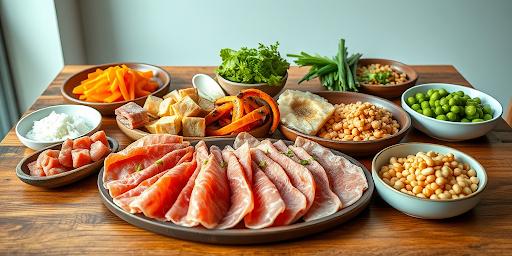
You leverage both nutrition and exercise to maximize results, as protein consumption preserves lean mass and complements resistance training. With a high-protein diet, you provide the amino acids that support muscle repair. Combining adequate protein with resistance training may help preserve muscle during weight loss. A meta-analysis in Obesity Reviews (PMID 21951360) found aerobic exercise significantly reduces visceral fat, while resistance training alone was less effective for visceral fat but supports muscle.
- Resistance training reinforces muscle strength and growth
- HIIT boosts cardiovascular capacity and increases calorie burn
- Core strengthening improves stability and tone, though it does not remove fat over the abdomen (spot reduction is a myth)
- Moderate cardio sessions complement energy expenditure
The timing of nutrient intake is as critical as the workout itself. Consuming protein shortly after exercise initiates muscle recovery and maximizes the protein synthesis process. You should schedule your workouts to coincide with meals that are high in protein, ensuring that recovery phases are not compromised. Adequate rest and structured recovery further support hormonal balance and effective fat burning. By integrating strategic exercise routines with timely protein consumption, you optimize muscle preservation and create a conducive metabolic environment for reducing stubborn belly fat.
High-Protein Diets and Belly Fat: Practical Meal Solutions and Success Stories

A protein-rich meal plan not only supports sustainable weight management but also combats the frustration of failed diets. By emphasizing high-protein recipes, you create a nutritional environment that aids in reducing belly fat while maintaining muscle mass. Higher-protein eating may help with appetite control and dietary adherence, which can support weight maintenance, though long-term results vary from person to person and depend on overall habits. Incorporating protein in every meal stabilizes energy levels, increases satiety, and fosters better dietary adherence. These benefits have inspired success stories from people who have shifted away from inconsistent dieting towards structured protein-based meal solutions.
- Plan an energizing breakfast smoothie using protein powder, spinach, and berries to kickstart metabolism.
- Prepare overnight oats topped with Greek yogurt and nuts for sustained morning energy.
- Create balanced lunch bowls with quinoa, grilled chicken, assorted vegetables, and a drizzle of olive oil for a nutrient-dense midday boost.
- Enjoy nutrient-packed snacks like cottage cheese with sliced fruit, which help manage hunger between meals.
- Experiment with lean protein wraps filled with turkey, avocado, and fresh greens to keep your energy balanced throughout the day.
| Meal Idea | Key Protein Source | Benefits |
|---|---|---|
| Breakfast Smoothie | Protein Powder | Boosts metabolism and satiety |
| Overnight Oats | Greek Yogurt | Maintains energy levels and reduces cravings |
| Balanced Lunch Bowl | Grilled Chicken | Supports muscle maintenance and nutrient intake |
| Protein Wrap | Lean Turkey | Provides steady energy and curbs hunger |
Integrating these practical meal ideas into your daily routine can transform your approach to dieting. Clear, actionable strategies like these empower you to break free from the cycle of failed diets, offering a path to sustainable weight management. By choosing nutrient-dense meals consistently, you benefit from improved energy levels and reduced abdominal fat, as seen in inspiring success stories. Experiment with these suggestions, adapt them to your lifestyle, and watch as your commitment to a high-protein diet paves the way for lasting, positive changes in body composition.
Final Words
In the action, you explored the scientific principles of protein’s role in energy and fat metabolism.
You reviewed effective strategies, optimal protein sources, and harmonizing nutrition with exercise.
These insights offer practical steps for refining your diet and boosting muscle support while reducing stubborn fat.
By applying this approach, you can fine-tune your eating habits and elevate your results.
Remember, a balanced, higher-protein eating pattern is one tool that, alongside regular activity and adequate sleep, may support gradual changes in body composition over time.
FAQ
Q: Will a high-protein diet help reduce belly fat?
A: A high-protein diet does not target belly fat specifically, but it may support overall fat loss by increasing fullness and helping preserve muscle within a calorie-controlled diet. Research reviewed in the American Journal of Clinical Nutrition (PMID 25926512) found modest benefits that depend on overall diet and adherence.
Q: What’s the optimal daily protein intake for weight loss?
A: For weight loss, aim for 0.7-0.9 grams of protein per pound of body weight daily. This amounts to approximately 105-135 grams for a 150-pound individual to support muscle maintenance and fat reduction.
Q: What is the 30-30-30 rule for protein meals?
A: The 30-30-30 rule suggests consuming 30 grams of protein within 30 minutes of waking up and exercising for 30 minutes. Spacing protein across the day may help with fullness and appetite control. This is general nutrition information, not medical advice; if you have concerns about blood sugar, consult a licensed clinician.
Q: Which protein sources are most effective for belly fat loss?
A: Lean proteins like chicken (31g/100g), yellowfin tuna (30g/100g), and plant-based options like seitan (25g/100g) are most effective. These sources provide essential amino acids while maintaining caloric control.
Q: How should I time protein intake for maximum fat loss?
A: Space protein intake evenly throughout the day in 25-30g portions. Including protein at breakfast and post-workout maximizes muscle synthesis and supports consistent fat burning.
Q: Can combining protein with exercise enhance belly fat reduction?
A: Yes, pairing high-protein intake with resistance training and HIIT exercises accelerates belly fat reduction. This combination can help preserve muscle mass during weight loss; aerobic exercise in particular has been shown to reduce visceral fat (Obesity Reviews, PMID 38031812).
Supplement disclaimer: These statements have not been evaluated by the Food and Drug Administration. These products are not intended to diagnose, treat, cure, or prevent any disease. Dietary supplements are regulated as food, not drugs. Individual results vary. Talk to your physician or pharmacist before taking any supplement. See our Supplement Disclaimer.
Frequently Asked Questions
Will a high-protein diet target belly fat specifically?
No. You cannot direct fat loss to one body area through diet. Higher-protein eating can support overall fat loss by increasing fullness and helping preserve muscle during a calorie deficit, but where fat comes off is determined by genetics and overall energy balance, not by protein alone.
How much protein is reasonable when trying to lose fat?
Controlled-feeding research reviewed in the American Journal of Clinical Nutrition describes roughly 1.2-1.6 g of protein per kg of body weight per day, spread across meals (about 25-30 g per meal), as the range studied for greater fat-mass loss and muscle preservation during calorie restriction. Individual needs vary; check with a clinician.
Does protein boost metabolism enough to matter?
Protein has a higher thermic effect than carbohydrate or fat, meaning the body uses some energy digesting it. This effect is real but small and is not a substitute for an overall calorie deficit. The larger benefit in studies is increased satiety and muscle preservation, not a large metabolic increase.
Is protein alone enough, or do I need exercise too?
Exercise matters. A meta-analysis in Obesity Reviews found aerobic exercise significantly reduces visceral (deep belly) fat, while resistance training alone was less effective for visceral fat but helps preserve muscle. Pairing adequate protein with regular activity is more effective than either alone.
Can crunches or core work burn belly fat?
No. Targeted ab exercises strengthen and tone muscles but do not remove the fat over them; spot reduction is a myth, as Mayo Clinic notes. Visceral fat responds to overall diet and exercise, including regular aerobic activity and strength training, rather than to localized movements.
Does this page replace medical advice?
No. This content is educational only and is not medical advice or a treatment plan. It is not written or reviewed by a licensed medical professional. Talk to a qualified clinician before making major changes to your diet or exercise, especially if you have a health condition or take medication.
Last updated June 22, 2026. Reviewed against the cited evidence: Leidy et al., "The role of protein in weight loss and maintenance," American Journal of Clinical Nutrition 2015 (PMID 25926512); Ismail et al., aerobic vs. resistance exercise on visceral fat, Obesity Reviews 2011 (PMID 21951360); exercise types and visceral fat network meta-analysis, Obesity Reviews 2023 (PMID 38031812); Mayo Clinic, "Belly fat in men: Why weight loss matters."
Sources
- MedlinePlus: Dietary protein sources, satiety, and weight management
- NIH: High-Protein Diets and Belly Fat: What You Need to Know!
Related Reading
- Fiber to Manage Cholesterol Naturally
- High-Fiber Drinks for Gut Health
- High-Fiber Drinks for Digestion and Energy
- Foods That Help Reduce Belly Fat
Recommended Products
Hand-picked to support your health goals
 Nutricost Creatine Monohydrate
Micronized creatine for strength, power, and lean muscle support.
Check Price on Amazon OXO Good Grips Food Scale
Precise digital food scale for portion control and meal prep.
Check Price on AmazonAs an Amazon Associate, we earn from qualifying purchases.