Drinks That Reduce Blood Sugar Spikes
Educational information only — not medical advice, and not a substitute for a licensed clinician who knows your history. Always consult your healthcare provider before changing your diet, supplements, exercise, or treatment. See our Medical Disclaimer.
Disclosure: This article may contain affiliate links. If you buy through them, we may earn a commission at no extra cost to you. A commission never changes our reporting. See our Affiliate Disclosure.

Raw, unfiltered ACV with the Mother for digestion and wellness.
Check Price on AmazonThe bottom line: No drink lowers blood sugar on its own. In small studies, diluted apple cider vinegar (~30 mL/day) and soluble-fiber drinks were linked to modestly smaller post-meal glucose rises, but effects are small and short-term. Diet, physical activity, and sleep do the real work. Talk to your clinician, especially if you have diabetes.
Ever wonder if a simple drink could help stabilize your blood sugar and boost your energy? Research shows that certain natural beverages—like lemon water, ginger tea, apple cider vinegar, and fiber-rich pre-meal blends—may be associated with modestly smaller post-meal glucose rises in some small studies; effects are limited and these drinks are not a treatment for any condition.
This guide breaks down how these drinks work, the right way to use them, and how to integrate them into your daily routine for lasting benefits.
Why Stable Blood Sugar Matters
Blood sugar spikes after meals don’t just cause short-term fatigue or cravings—they can contribute to long-term health issues like insulin resistance, weight gain, and type 2 diabetes. Choosing the right drinks at the right times can soften these spikes, helping your body process carbs more effectively.
The Best Drinks for Blood Sugar Control
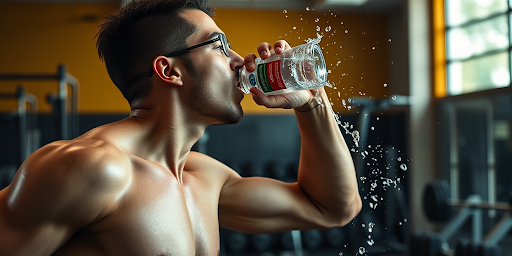
Water: The Foundation
- Role: Dilutes glucose levels in your bloodstream and supports kidney function.
- Tip: Aim for at least 6 cups daily for women and 8 cups for men. Staying hydrated helps your body naturally regulate sugar.
Lemon Water: A Simple Boost
- Why it Works: Lemon may improve insulin sensitivity and slow digestion.
- How to Use: Add the juice of half a lemon to a glass of water before or after meals. It’s refreshing and supports weight management.
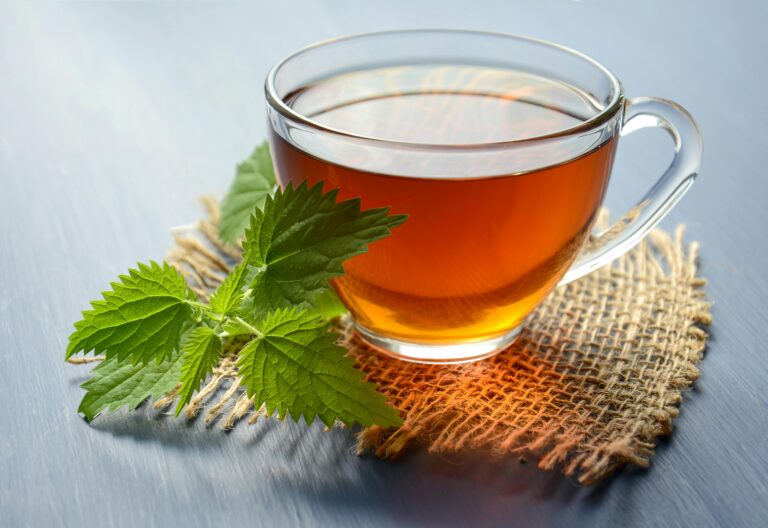
Ginger Tea: Gentle and Effective
- Benefit: Research suggests ginger may lower fasting blood sugar levels.
- Safe Dosage: Up to 4 grams of ginger daily.
- Preparation: Steep 1–2 teaspoons of fresh grated ginger in hot water for 5–10 minutes. Add lemon for extra benefits.
Apple Cider Vinegar (ACV): What the Evidence Suggests
- Effect: Helps reduce post-meal glucose spikes and may improve insulin function.
- Dosage: Dilute 1–2 tablespoons (about 20 ml) in a glass of water.
- Best Timing: Drink before meals or at bedtime. Start small to avoid digestive discomfort.
Balance: Pre-Meal Support for Glucose and Appetite
- Why it Works: Many people don’t get enough fiber from processed foods. Balance fills that gap by combining soluble fibers, plant compounds, and essential nutrients to slow down carb absorption and improve the way your body responds to meals.
- Key Benefits:
- Soluble fiber is part of a balanced diet that supports overall wellness
- Curbs hunger between meals
- Enhances digestive balance
- Complements time-based eating or intermittent fasting
- How to Use: Take before meals to smooth out blood sugar spikes and promote satiety. With plant-powered ingredients and a naturally sweetened flavor, it’s an easy addition to daily routines.
Other Helpful Options
- Pomegranate Juice: A source of antioxidants and a lower-sugar choice than many sweetened drinks; it is not shown to treat or improve any medical condition.
- Beetroot Juice: A naturally colorful, low-sugar drink option; it is not shown to control blood sugar or treat any condition.
- Cucumber-Mint Infused Water: A hydrating, low-sugar alternative to sweetened drinks.
How to Integrate These Drinks into Your Routine
Pairing the right drink with healthy lifestyle habits amplifies the benefits:
- Track with CGM (Continuous Glucose Monitoring): Notice how your body responds in real time.
- Time Your Drinks: ACV before meals, lemon water in the morning, ginger tea in the afternoon, Balance pre-meal for appetite and glucose support.
- Stay Active: Combine these drinks with regular exercise for better blood sugar balance.
- Get Expert Input: Work with a dietitian or healthcare provider to personalize your plan.
Key Takeaways
- Water, lemon, ginger, apple cider vinegar, and fiber-rich blends like Balance help manage blood sugar naturally.
- Consistency and proper timing matter—small daily habits add up.
- Pairing drinks with balanced meals, exercise, and monitoring creates long-term stability.
- Always consult your healthcare provider before making big changes, especially if you have diabetes or other health conditions.
FAQs
Q: What drink lowers blood sugar quickly?
A: No drink reliably lowers blood sugar on a fixed timetable. Some small studies link diluted apple cider vinegar (1-2 tablespoons in a glass of water) to modestly smaller post-meal glucose rises, but results vary by person. It is not a substitute for diet, activity, or prescribed medication.
Q: What’s best to drink first thing in the morning?
A: Warm lemon water or ginger tea. Both support hydration, metabolism, and stable morning glucose levels.
Q: What natural drinks help lower blood sugar?
A: Lemon water, ginger tea, diluted apple cider vinegar, Balance pre-meal fiber drink, unsweetened pomegranate juice, and cucumber-mint water.
Q: How much water should I drink daily for blood sugar balance?
A: Women: ~6 cups/day; Men: ~8 cups/day. Staying hydrated supports normal kidney function and is a sensible part of a balanced routine.
Q: When is the best time to drink apple cider vinegar?
A: Before meals or at bedtime. Start with 1 teaspoon in water, then increase gradually.
Q: How can I tell if these drinks are working?
A: Track blood sugar before and after. If you use a CGM, watch trends. Also note improvements in energy, cravings, or fewer crashes.
Final Thoughts
Simple daily choices—like drinking lemon water, ginger tea, or Balance before meals—can make a real difference in blood sugar stability. Combined with a balanced diet, physical activity, and consistent monitoring, these drinks provide a natural, sustainable way to support long-term metabolic health.
Supplement disclaimer: These statements have not been evaluated by the Food and Drug Administration. These products are not intended to diagnose, treat, cure, or prevent any disease. Dietary supplements are regulated as food, not drugs. Individual results vary. Talk to your physician or pharmacist before taking any supplement. See our Supplement Disclaimer.
Frequently Asked Questions
Can a drink actually lower my blood sugar?
No beverage meaningfully lowers blood sugar by itself. In small randomized trials, diluted apple cider vinegar (about 30 mL/day for up to 12 weeks) was associated with modest, short-term changes in body weight and waist circumference, and some studies suggest smaller post-meal glucose rises. Evidence is limited and heterogeneous. Overall diet, activity, and sleep matter far more.
Does soluble fiber before a meal help?
Soluble fiber can slow how quickly carbohydrates are absorbed, which may blunt post-meal glucose rises. In a 5-year study using CT scans, each additional 10 g/day of soluble fiber was associated with 3.7% slower visceral-fat accumulation. Fiber supports a healthy diet pattern; it is not a treatment for any condition.
What about sugary drinks?
Cutting sugar-sweetened beverages is one of the better-supported drink changes. In the Framingham Heart Study, daily sugar-sweetened-beverage consumers showed greater visceral-fat gain over about 6 years than non-consumers, while diet soda showed no such association. Replacing sugary drinks with water is a sensible swap.
Is apple cider vinegar safe to drink daily?
Always dilute it (commonly 1-2 tablespoons in a glass of water) and start small, since undiluted vinegar can irritate the throat, stomach, and tooth enamel. It is not a medication and should not replace prescribed therapy. If you take glucose-lowering drugs or have diabetes, check with your clinician first.
Will these drinks replace my diabetes medication?
No. These beverages are foods, not medicines, and are not a substitute for prescribed treatment or for diet and exercise. Do not stop or change any medication based on this page. If you have diabetes, prediabetes, or any health condition, talk with a licensed clinician before making changes.
What is the single most effective drink change?
For most people it is replacing sugar-sweetened beverages with water or other unsweetened drinks. Staying hydrated and pairing drinks with balanced meals, regular activity, and adequate sleep does far more for steady blood sugar than any single beverage.
Last updated June 22, 2026. Reviewed against the cited evidence: apple cider vinegar meta-analysis (Nutrients 2025, PMID 41010525); soluble fiber and abdominal fat, IRAS Family Study (Obesity 2012, PMID 21681224); sugar-sweetened beverages and visceral fat, Framingham Heart Study (Circulation 2016, PMID 26755505).
Related Reading
- Hormones and Belly Fat: The Complete Guide
- Insulin Resistance and Belly Fat Explained
- Functional Drinks for Healthy Blood Sugar
- Balance Blood Sugar After Meals: Simple Strategy
- Fasting Drinks to Boost Metabolism
- Best Drink Before Eating Carbs
Recommended Products
Hand-picked to support your health goals
 Ceylon Cinnamon Supplement
True Ceylon cinnamon capsules to support healthy blood sugar.
Check Price on Amazon Thorne Berberine
Supports healthy blood sugar levels and metabolic function.
Check Price on AmazonAs an Amazon Associate, we earn from qualifying purchases.