Best Time to Take Whey Protein for Weight Loss
Have you ever wondered if when you take whey protein matters as much as how much you take? Research shows that timing your protein intake can make a difference in how effectively your body burns fat, preserves muscle, and recovers from workouts.
This guide breaks down the science of nutrient timing and explains how pre- and post-workout whey protein intake—plus consistent daily use—can help you maximize energy, curb cravings, and support long-term weight loss goals.
Pre- vs. Post-Workout Whey Protein for Weight Loss
Pre-Workout Benefits
Taking whey protein before a workout can:

24g protein per serving to support muscle recovery and lean body composition.
Check Price on Amazon- Reduce cravings and stabilize blood sugar.
- Provide energy and improve focus.
- Prepare your muscles for fat-burning activity.
Pairing whey with a small amount of carbohydrates (like a banana or oats) before exercise can enhance performance, sustain energy, and improve endurance.
Post-Workout Benefits
Post-workout whey protein is ideal for:
- Stimulating muscle repair and recovery.
- Supporting lean muscle growth, which boosts metabolism.
- Reducing soreness and fatigue after training.
Studies show that muscles continue absorbing amino acids for up to 24 hours post-exercise, so your body benefits from protein whether you take it immediately after or later in the day.
Which Is Better?
Both pre- and post-workout timing can be effective. For most people, the best strategy is a combination: a light dose with carbs before training and a full serving after to aid recovery.
Key Takeaways:
- Pre-workout: energy, appetite control, and improved performance.
- Post-workout: recovery, muscle repair, and metabolism support.
- Both help with fat loss and muscle preservation.
What Research Says About Whey Protein Timing
Scientific studies back the importance of timing:
| Year | Key Finding |
| 2001 | Protein with carbs before workouts boosts muscle protein synthesis. |
| 2009 | Similar benefits whether protein is consumed before or after workouts. |
| 2018 | Consistent protein intervals throughout the day improve recovery and fat loss. |
Practical application:
- Take whey with a small carb source before exercise for energy.
- Use whey after workouts to fuel recovery.
- Spread intake every 3–4 hours to maintain steady amino acid levels and reduce cravings.
This routine keeps your metabolism active, prevents overeating, and supports lean muscle growth—all essential for sustainable weight loss.
How to Schedule Whey Protein for Weight Loss
A sample daily routine might look like this:
- Morning: 20–30 grams of whey to control appetite and kickstart metabolism.
- Pre-Workout: 15–20 grams with a small carb snack for energy.
- Post-Workout: 20–40 grams within a few hours of exercise for muscle repair.
- Evening: 20–30 grams to support overnight recovery and reduce late-night snacking.
Consistency matters more than perfection. Aim for 3–4 servings spaced out during the day, and adjust timing based on your lifestyle, digestion, and workout schedule.
Where STRONGHOLD Fits In
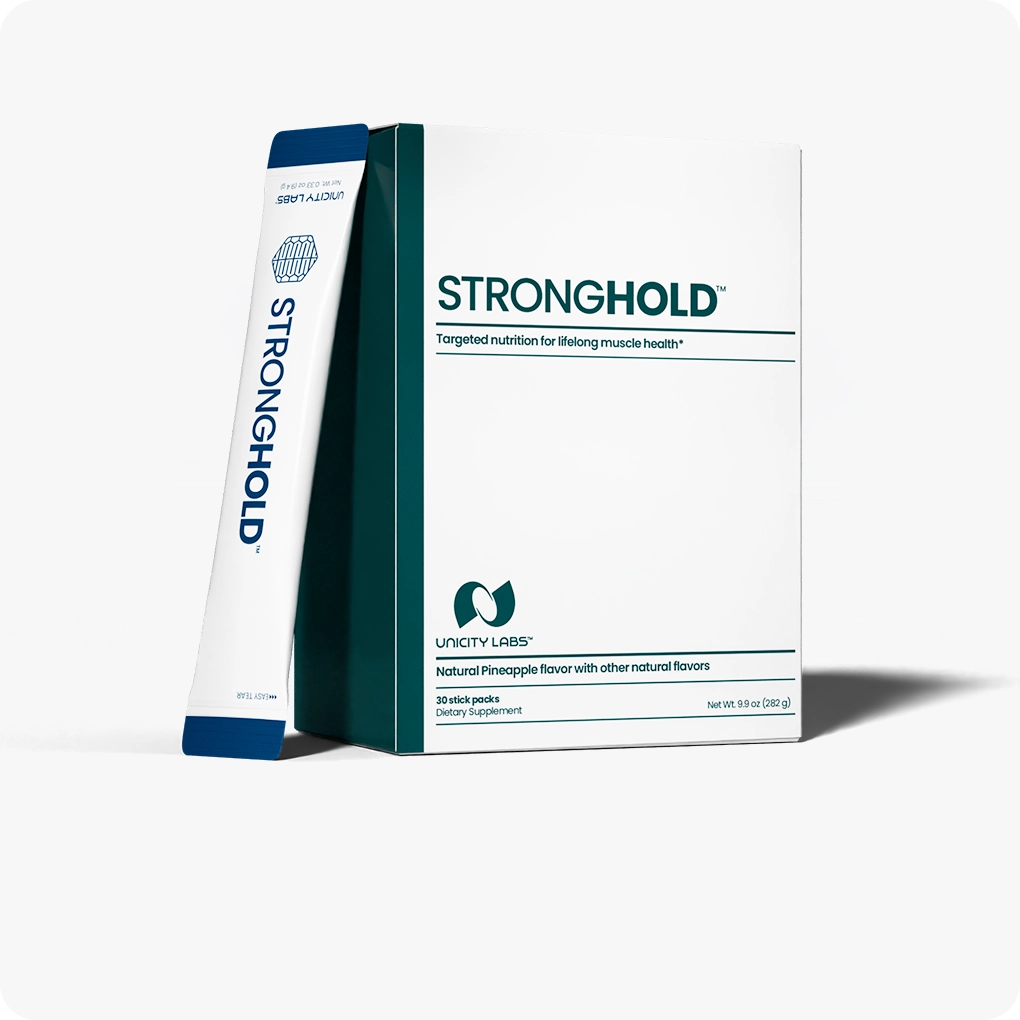
If your goal is not just losing weight but also preserving lean muscle and feeling strong, a scientifically formulated option like STRONGHOLD Build and Protect Lean Muscle can be a smart addition.
STRONGHOLD combines:
- Whey protein isolate for fast absorption and muscle repair.
- HMB to reduce muscle breakdown during weight loss.
- Creatine to boost endurance and training performance.
- Leucine to drive protein synthesis for stronger muscles.
- Vitamin D and K to support recovery, bone strength, and long-term mobility.
Because STRONGHOLD delivers whey protein alongside these proven ingredients, it fits seamlessly into a pre- or post-workout routine. For example:
- Take it before workouts to fuel performance and curb cravings.
- Use it after training to accelerate recovery, protect lean muscle, and boost metabolism.
By aligning STRONGHOLD with your protein timing strategy, you can enhance fat loss while ensuring your body stays strong, capable, and resilient—today and for years to come.
Final Thoughts
The best time to take whey protein for weight loss depends on your goals and daily routine. Whether you choose pre-workout, post-workout, or both, consistency is the most important factor.
By spreading protein intake throughout the day, you’ll:
- Boost metabolism and fat burning.
- Reduce cravings and stabilize energy.
- Preserve muscle while losing weight.
And if you want an option that goes beyond basic protein, STRONGHOLD provides the nutrients your body needs to protect muscle, improve endurance, and support healthy recovery—all while fitting naturally into your weight loss routine.
FAQ
Q: What is the best time to take whey protein for weight loss?
A: Morning, post-workout, and evenly spaced doses throughout the day are all effective. Aim for 20–40 grams every 3–4 hours.
Q: Does timing really make a difference?
A: Yes. Pre-workout helps with energy and appetite control, while post-workout accelerates recovery. Both approaches support fat loss.
Q: Should I take whey on rest days?
A: Absolutely. Consistent intake preserves muscle and supports metabolism, even on non-training days.
Q: Morning or evening—which is better?
A: Morning whey helps control appetite. Evening whey supports overnight recovery and reduces late-night snacking. Both have benefits.
Q: How soon will I see results?
A: Many people notice improved appetite control within 1–2 weeks. Visible changes in body composition often appear within 4–8 weeks of consistent use.
Related Reading
- Top Muscle Support Supplements for Growth
- Whey Protein Isolate for Weight Loss
- Whey Isolate vs Whey Protein: Which Is Best
- How to Build Lean Muscle Mass
Recommended Products
Hand-picked to support your health goals
 Nutricost Creatine Monohydrate
Micronized creatine for strength, power, and lean muscle support.
Check Price on Amazon Fit Simplify Resistance Bands
Set of 5 loop bands for home workouts, rehab, and mobility.
Check Price on AmazonAs an Amazon Associate, we earn from qualifying purchases.