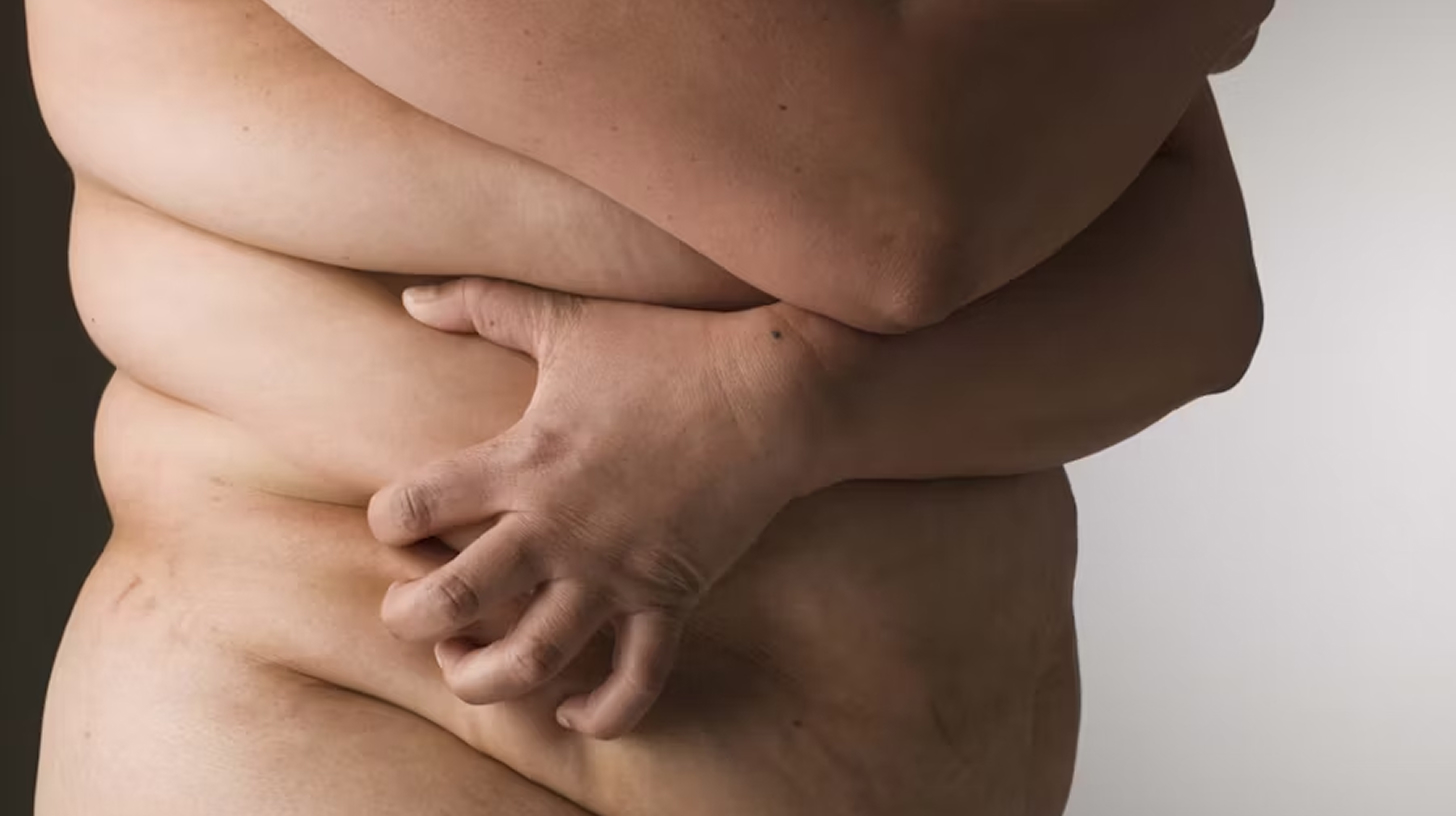
Hormone Balancing Methods for Belly Fat
“What’s one surprising hormone-balancing method you’ve used that affected belly fat? How did you implement it and what results did you experience?”
Cold exposure turned out to be far more effective than I expected in balancing hormones tied to belly fat. I began with two-minute cold showers at the end of my morning routine, gradually working up to five minutes over several weeks. The immediate effect was an increase in alertness, but the deeper change came from how the cold exposure influenced cortisol and insulin sensitivity. Within three months, my waistline dropped by nearly two inches without major adjustments to diet or exercise. The consistent practice lowered stress-related cravings and improved my body’s ability to regulate energy. What surprised me most was how a habit that required no supplements or strict rules delivered visible results simply by shifting how my body managed hormonal responses each day.
Wayne Lowry, Marketing coordinator, Local SEO Boost

Clinically studied stress hormone stabilizer for better sleep and lower cortisol.
Check Price on AmazonIntermittent fasting had a more noticeable impact on my hormone balance than I anticipated. I began with a 16:8 schedule, limiting food intake to an eight-hour window each day. Within a few weeks, I noticed that my insulin response evened out, cravings diminished, and sleep quality improved. What stood out was not just the reduction in overall calorie intake but the way my body seemed to regulate cortisol and insulin more efficiently.
The physical change came in the form of decreased belly fat, which had been stubborn despite regular exercise. The consistency of the fasting schedule appeared to reset my body’s timing on hormone release, particularly insulin sensitivity. Over a span of three months, I experienced both measurable weight loss in the abdominal area and a steadier energy level throughout the day. The takeaway was that timing of meals influences hormones as much as food content does, and small adjustments in routine can shift results more effectively than constant dietary overhauls.
Rory Keel, Owner, Equipoise Coffee
Supporting GLP-1 activity through dietary timing proved unexpectedly effective. Instead of focusing solely on calorie restriction, I began consuming 30 grams of protein within the first half hour of waking. This approach helped regulate insulin response, curbed mid-morning cravings, and stabilized energy throughout the day.
Implementation was simple: a protein-rich breakfast shake became routine, paired with light movement afterward. Within several weeks, the change was noticeable—reduced appetite made intermittent fasting easier to maintain, and belly fat that had been resistant to prior diet adjustments began to decrease. The key insight was that targeting hormone regulation directly, rather than relying only on calorie deficits, created a more sustainable shift in both metabolism and body composition.
Ydette Florendo, Marketing coordinator, A-S Medical Solutions
A surprising method has been addressing sleep quality as a primary lever for hormone balance rather than beginning with diet or exercise adjustments. Many patients underestimate how inconsistent sleep disrupts cortisol and insulin regulation, both of which directly affect abdominal fat storage. We introduced structured sleep hygiene protocols—regular sleep and wake times, reduced evening screen exposure, and a gradual reduction of late caffeine use. In one case, a patient who had struggled with stubborn belly fat despite strict calorie control saw significant changes after improving sleep patterns. Within three months, not only had abdominal circumference decreased by nearly two inches, but fasting glucose levels also improved, and daily energy became steadier. The outcome reinforced the idea that belly fat is not always about cutting calories harder or exercising more, but about creating hormonal stability through restorative sleep that recalibrates the body’s metabolic signals.
Belle Florendo, Marketing coordinator, RGV Direct Care
A less expected approach that made a measurable difference in hormone balance and belly fat reduction was improving sleep consistency rather than focusing solely on diet or exercise. Patients often underestimate how much disrupted or irregular sleep elevates cortisol and insulin resistance, two key drivers of central fat storage. When we asked patients to maintain a strict sleep window of seven to eight hours, going to bed and waking at the same time daily, even small adjustments showed clear changes within weeks.
One patient who had struggled with midsection weight despite calorie control and exercise saw her waistline shrink by nearly two inches over three months after committing to this routine. Lab follow-ups confirmed lowered morning cortisol and improved fasting glucose levels, which explained the physical change. The intervention required no supplements or medication, just a disciplined schedule and a wind-down ritual free of screens. Consistency rather than duration proved decisive, showing that stabilizing circadian rhythms can influence hormones as powerfully as diet.
Maegan Damugo, Marketing coordinator, Health Rising Direct Primary Care
Prioritizing consistent sleep proved to be more effective than expected in supporting hormone balance related to belly fat. The focus had often been on diet and exercise, but tracking patterns revealed that irregular sleep disrupted cortisol and insulin regulation, which contributed to weight retention around the midsection.
The adjustment was simple yet disciplined—establishing a set bedtime and wake time, even on weekends, and creating a nightly routine that signaled rest, such as dimming lights and limiting screen use an hour before bed. Within several weeks, energy levels stabilized, cravings diminished, and gradual changes in body composition became noticeable. The results highlighted how strongly rest influences metabolism and stress response, making sleep a cornerstone in managing both health and fitness goals.
Belle Florendo, Marketing coordinator, Sunny Glen Children’s Home
Time-restricted eating turned out to be surprisingly effective for balancing insulin levels and reducing abdominal fat. Rather than following a strict diet, I limited meals to an eight-hour window each day, typically from late morning to early evening. Water, black coffee, or tea filled the gaps outside that window.
Within several weeks, energy levels stabilized, and mid-afternoon cravings dropped noticeably. Over a few months, the most visible change was a reduction in belly fat, which aligned with improvements in fasting insulin and blood sugar readings. The key lesson was that timing, not just food choices, can significantly influence hormone regulation and body composition.
Wayne Lowry, Founder, Best DPC
One surprisingly effective hormone balancing method I’ve seen make a difference with belly fat is prioritising consistent, high quality sleep. Poor or irregular sleep disrupts cortisol, insulin, and hunger regulating hormones like ghrelin and leptin, which can drive fat storage around the abdomen.
I started treating sleep like a prescription setting a fixed bedtime, limiting late night screen use, and using blackout curtains. Within weeks, I noticed fewer late-night cravings, more stable energy during the day, and gradual but steady trimming of my waistline as my workouts and nutrition became easier to sustain. It wasn’t an overnight change, but restoring sleep balance made my body far more responsive to fat loss efforts.
Saad Karim, Doctor, Invigor Medical
Shifting evening meals to a high-protein, low-carbohydrate structure proved unexpectedly effective in reducing abdominal fat linked to cortisol fluctuations. Late-day carbohydrate intake often amplified nighttime cortisol spikes, disrupting sleep and leaving insulin levels elevated into the next morning. By replacing those calories with lean protein and fibrous vegetables, the body maintained more stable blood sugar and a calmer hormonal profile overnight. Within eight weeks of applying this approach, waist circumference decreased by nearly two inches despite no major changes in exercise routines. The improvement stemmed less from calorie reduction and more from improving sleep quality and lowering morning cortisol readings, which directly influence central fat storage. Many people overlook how the timing and composition of dinner alone can recalibrate hormone balance, yet in practice, it becomes one of the most sustainable levers for tackling stubborn belly fat.
Maegan Damugo, Marketing coordinator, MacPherson’s Medical Supply
An effective hormone-balancing method I’ve seen impact belly fat is focusing on improving sleep quality and circadian rhythm alignment. Poor sleep disrupts key hormone signaling tied to weight and belly fat. The stress hormone, Cortisol, increases with sleep deprivation, leading to increased fat storage in the abdominal area. Also, Insulin sensitivity decreases as a result from improper sleep, making it harder to regulate blood sugar and easier to gain fat. Lastly, the hunger and satiety hormones Leptin and Ghrelin fall out of balance, leading to stronger cravings for sugar and carbs. Restoration of consistent and quality sleep can help reset the parts of your hormonal system that influence fat storage and appetite.
To implement this, it is recommended to set a consistent sleep schedule and have good sleep hygiene, including bedtime and wake-up within the same 30-minute window daily, reduce blue light exposure ~ 1 hour before bed and replaced it with reading or stretching, adding a magnesium glycinate supplement in the evening to support relaxation, and keeping the bedroom cool and dark. Within about 6-8 weeks of a consistent sleep hygiene regimen, I`ve noticed a tightening of the waistline, even without major changes to diet and exercise, increased ability to focus, more energy, and improvements in clinical lab work like glucose and cortisol levels. Overall, optimizing your sleep and circadian rhythm is a powerful and natural hormone-balancing tool that can directly influence health and belly fat.
Edmond Hakimi, Medical Director, Wellbridge
Extending nightly fasting periods produced a noticeable shift in hormone balance and abdominal fat reduction. Rather than following a strict diet overhaul, the change came from adjusting meal timing. I finished dinner by 6:30 p.m. and waited until at least 10:30 a.m. the next morning to eat again. That 16-hour window lowered late-evening insulin spikes, gave cortisol more stable patterns overnight, and appeared to improve morning leptin sensitivity. Within six weeks, I saw a two-inch reduction around the waist without altering overall calorie intake. Energy was steadier through the day, and I no longer had the mid-afternoon slump that used to lead to snacking. The surprising part was how strongly timing alone shifted hormone responses, especially insulin and ghrelin, even though food choices themselves stayed consistent.
Ysabel Florendo, Marketing coordinator, Harlingen Church
One surprising method that helped me with hormone balance and, in turn, belly fat was simply improving my sleep. I used to think diet and exercise were the only real levers, but I underestimated how much poor sleep was affecting my cortisol levels. High cortisol kept me feeling wired, craving sugar, and storing fat around my midsection no matter how clean I ate.
I started by setting a strict bedtime, cutting screen time an hour before sleep, and swapping late-night scrolling for reading or light stretching. I also made my room darker and cooler, which surprisingly made a big difference in the quality of rest I got. Within a few weeks, I noticed my energy was steadier during the day and I wasn’t reaching for snacks out of stress. After about two months, the changes became more visible. There was less bloating, my waistline looked slimmer, and workouts felt more effective.
It wasn’t an overnight fix, but consistently prioritizing sleep reduced stress on my body, balanced my hormones naturally, and made losing belly fat feel much less like an uphill battle. For me, it proved that sometimes the simplest adjustments—not another diet—make the biggest difference.
Sovic Chakrabarti, Director, Icy Tales
I found that changing my evening routine had a big impact on hormone balance and belly fat. I started doing a wind-down ritual – turning off screens an hour before bed, stretching, and having a small protein snack. This regulated my cortisol and insulin levels which I learned were causing the stubborn belly fat. Within 6 weeks I saw my waistline shrink a little and my morning energy increase. Tracking my sleep and stress alongside my diet showed me that small hormonal tweaks not just calorie counting was driving the change. I continue to do this because it keeps my stress low and supports my metabolism, proof that lifestyle changes outside of exercise and diet can have a measurable impact on belly fat.
Nikita Sherbina, Co-Founder & CEO, AIScreen
I started prioritizing better sleep as a hormone-balancing method, which surprised me with how much it affected belly fat. I set a strict bedtime, stopped eating two hours before sleep, and kept my room dark and cool to lower cortisol and improve insulin sensitivity. Within a few months, I noticed less bloating, better energy, and my waistline leaned out without drastic diet changes.
Blake Beesley, Operations and Technology Manager, Pacific Plumbing Systems
Related Reading
- Hormones and Belly Fat: The Complete Guide
- How to Prevent Muscle Loss as You Age
- Muscle Protein Synthesis: How It Works
- Stress-reduction technique for belly fat loss
- Natural Supplements for Belly Fat: What Works
Recommended Products
Hand-picked to support your health goals
 NaturaLife Labs Ashwagandha
Organic ashwagandha root with black pepper for stress and hormone balance.
Check Price on Amazon Thorne Berberine
Supports healthy blood sugar levels and metabolic function.
Check Price on AmazonAs an Amazon Associate, we earn from qualifying purchases.